Matching Wods11 Min Read David WilsononOctober 22, 2026 Especially Comma Rules: When to Use a Comma Before or After “Especially” Have you ever wondered whether you should put a comma before or after the word “especially”? This small punctuation choice can make a… Discover More
Matching Wods11 Min Read Charles CarteronOctober 22, 2026 Appreciative Of vs. Appreciative For: What’s the Difference? Have you ever wondered whether to say “appreciative of” or “appreciative for” when expressing gratitude in English? Both phrases are… Discover More
Matching Wods8 Min Read James WalkeronOctober 22, 2026 Associated With vs. Associated To: Grammar Rules Explained Have you ever wondered whether to write “work experience” or “working experience” on a resume, job application, or professional profile? Both… Discover More
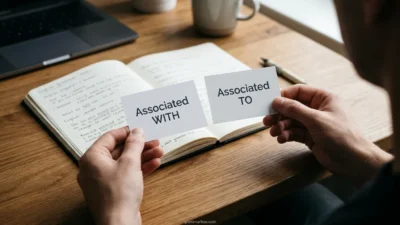
Matching Wods13 Min Read James WalkeronOctober 21, 2026 Associated With vs. Associated To: Which Phrase Is Correct? Have you ever wondered whether to use “associated with” or “associated to” in a sentence? Both phrases may look correct because they use the… Discover More
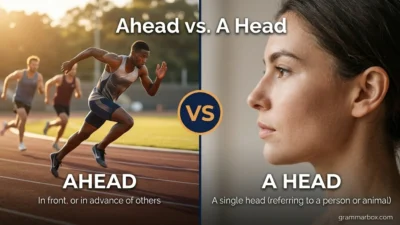
Matching Wods11 Min Read Ethan MilleronOctober 21, 2026 Ahead vs. A Head: Which One Is Correct and When Should You Use It? Have you ever wondered whether to write ahead or a head? These expressions sound exactly alike, but they have different meanings and… Discover More
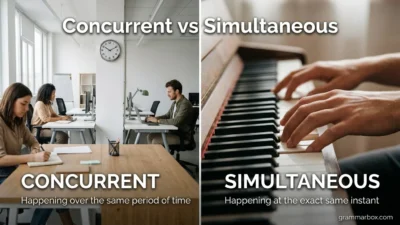
Matching Wods12 Min Read David WilsononOctober 21, 2026 Concurrent vs. Simultaneous: Which Is More Accurate in English? The words concurrent vs simultaneous often confuse English learners because both describe events that happen at the same time or during… Discover More
Matching Wods11 Min Read David MorganonOctober 21, 2026 Chateau vs. Chateaux: Meaning, Spelling, and Grammar Rules The difference between chateau and chateaux comes down to singular and plural forms. Both words refer to a large French country house, castle,… Discover More
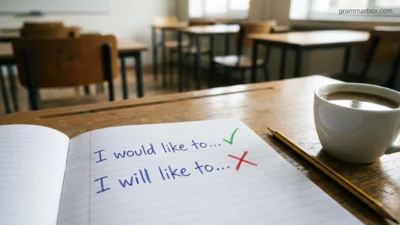
Matching Wods18 Min Read James WalkeronOctober 21, 2026 I Would Like To vs. I Will Like To: Simple Rules to Remember Have you ever wondered whether to say “I would like to” or “I will like to”? Both expressions use the verb “like,” but they do not communicate… Discover More
Matching Wods9 Min Read James WalkeronOctober 20, 2026 Stink vs. Stank vs. Stunk: Simple Grammar Rules to Remember Have you ever wondered if to say “it stinks,” “it stank,” or “it has stunk”? These three words look and sound similar because they are… Discover More
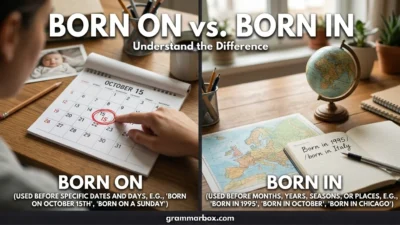
Matching Wods9 Min Read Charles CarteronOctober 20, 2026 Born In or Born On: Which Phrase Should You Use for Birth Dates? Have you ever wondered whether to say “I was born in June” or “I was born on June”? Both expressions may look similar, but only one is correct… Discover More